About All ToursFrom Cusco ToursHiking ToursInca Trail ToursFrom Lima ToursPrivate ToursSacred Valley ToursAnd Rainbow Mountain ToursAnd Lake Titicaca Tours2-Day Tours Directions Hours & Fees
Find Tours 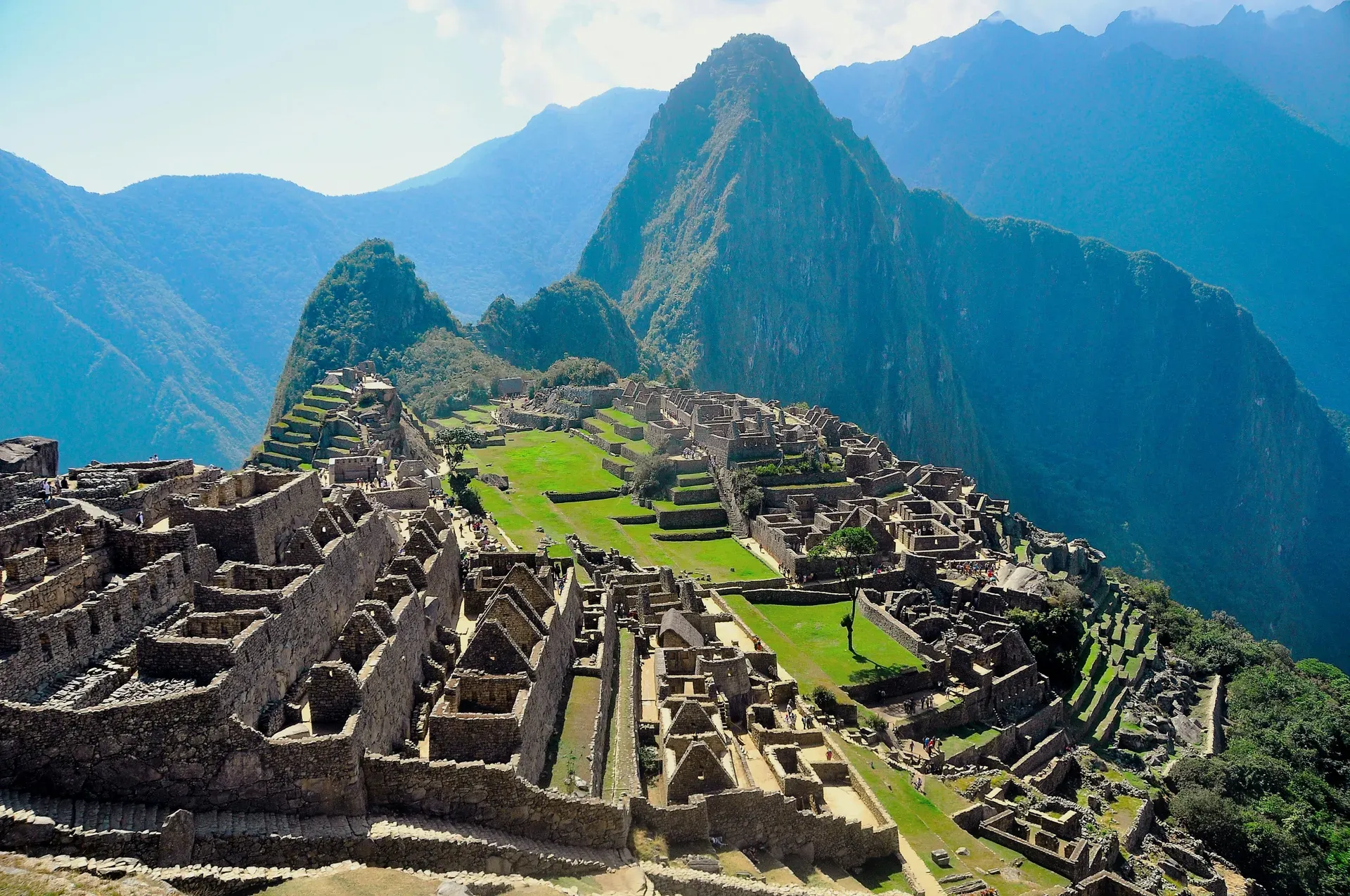
Explore the ancient Inca citadel with a 2-day Machu Picchu tour, offering options to travel by train or car through the beautiful Andes. These overnight trips provide guided visits, transportation, and accommodation arrangements to suit various travel styles.

Ride the rails along the Urubamba River to Machu Picchu, with an overnight stay and time for local exploration.
 Likely to Sell Out
 Explore the Sacred Valley’s ancient ruins and markets before witnessing sunrise at the Machu Picchu citadel.

Explore the ancient Inca city of Machu Picchu, a mountain citadel that remained hidden for centuries.
 Likely to Sell Out
 Reach Machu Picchu on a budget with this 2-day car tour through the Andes, including meals and accommodation.

A private two-day journey through the Sacred Valley and Machu Picchu featuring panoramic trains and custom schedules.
Read what travelers share about their experience visiting Machu Picchu — from practical tips to personal highlights.
A two-day tour to Machu Picchu breaks up the long journey from Cusco, giving you time to acclimatize and explore at a more relaxed pace. Most itineraries use the first day for traveling through the Andes or touring the Sacred Valley, followed by an overnight stay in Aguas Calientes so you can access the citadel early the next morning.
Most tours include a train ride from Cusco or Ollantaytambo. You will watch the landscape dramatically shift from high Andean peaks to lush, green cloud forests as you follow the Urubamba River.
Many extended itineraries spend day one exploring living Inca towns like Pisac and Ollantaytambo. You can see ancient agricultural terraces and traditional markets before heading to the train station.
You will spend the night in Machu Picchu Pueblo, commonly known as Aguas Calientes. This bustling town sits in a deep gorge at the base of the ruins and is completely inaccessible by road.
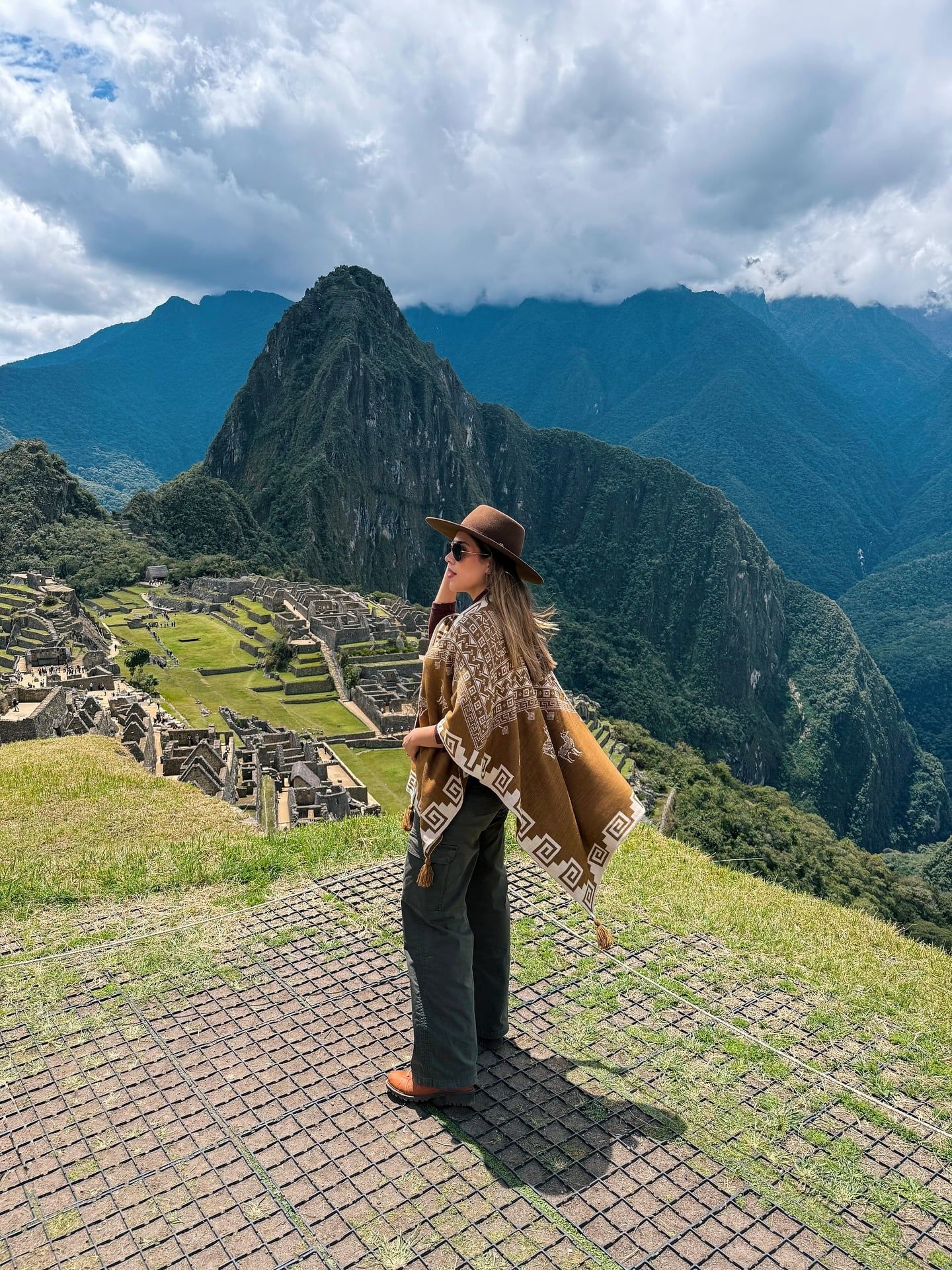
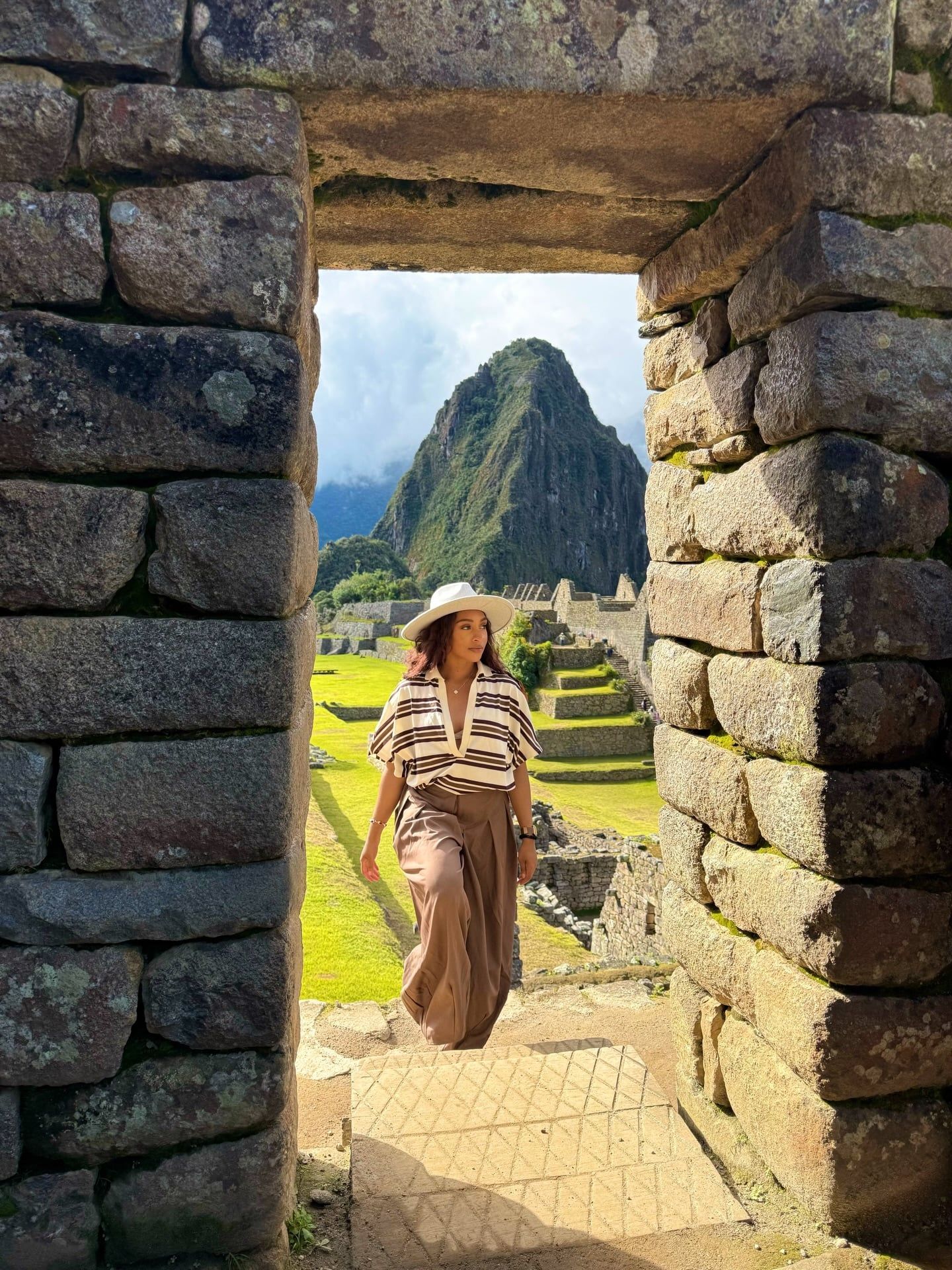
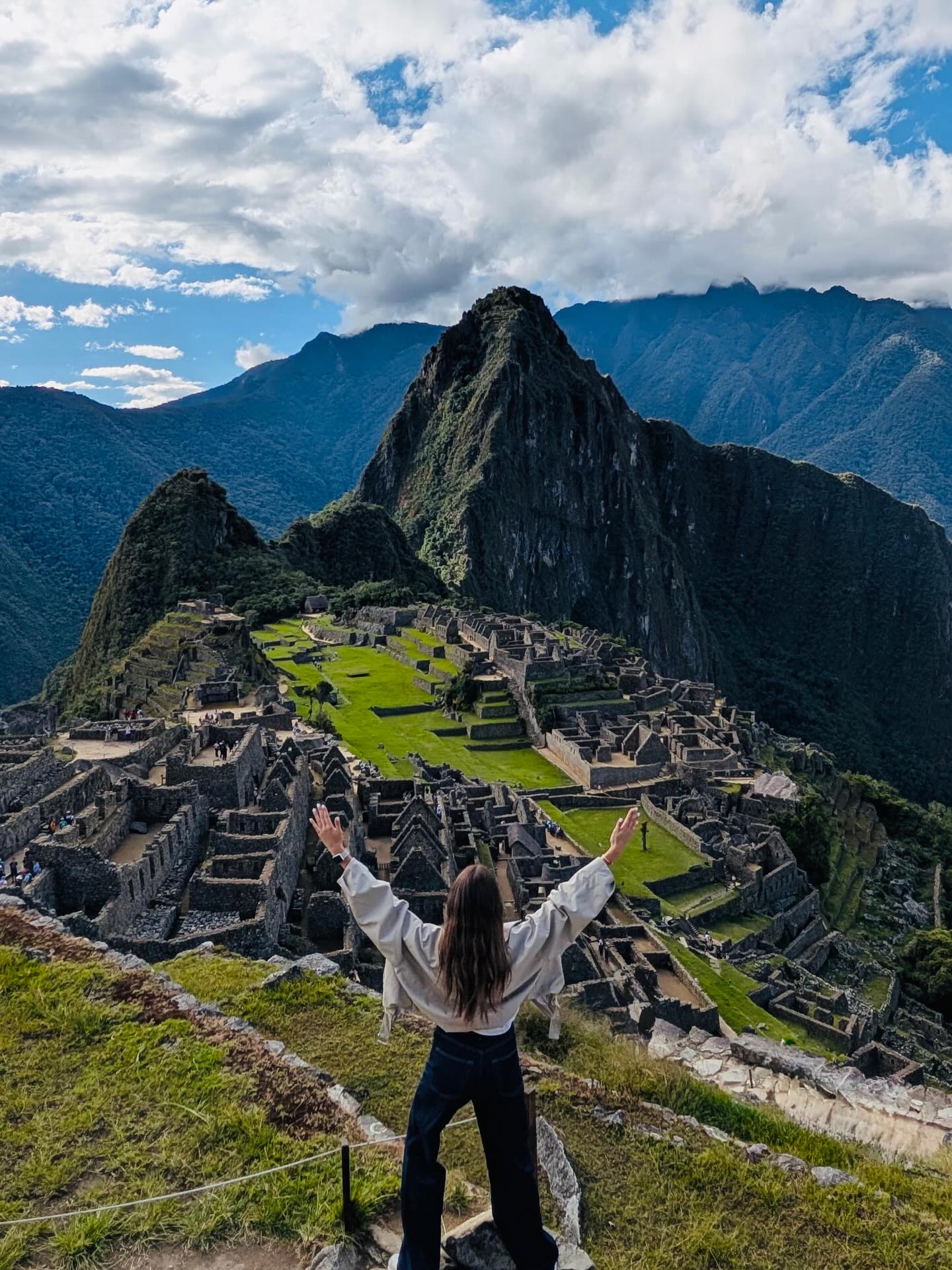
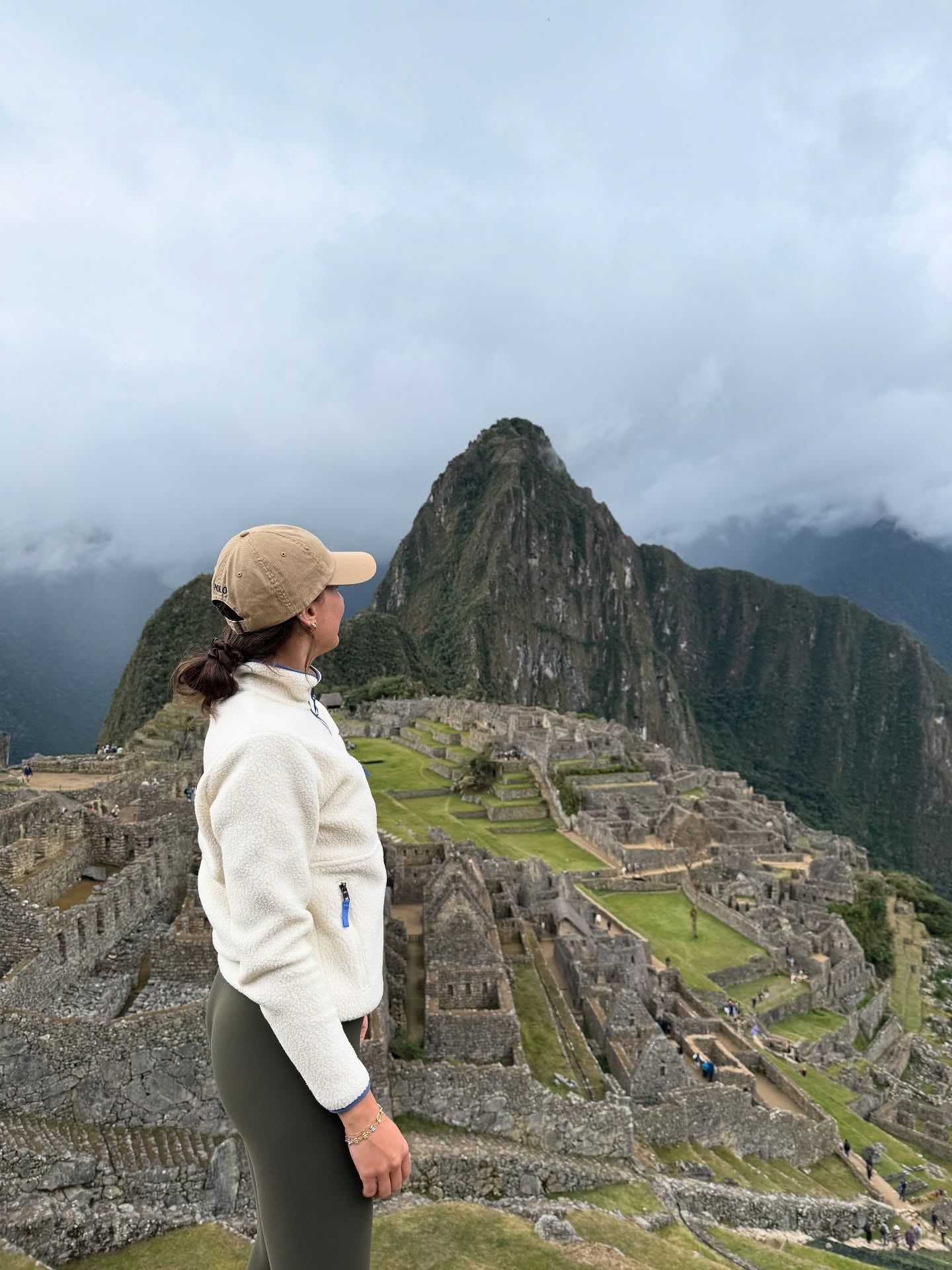
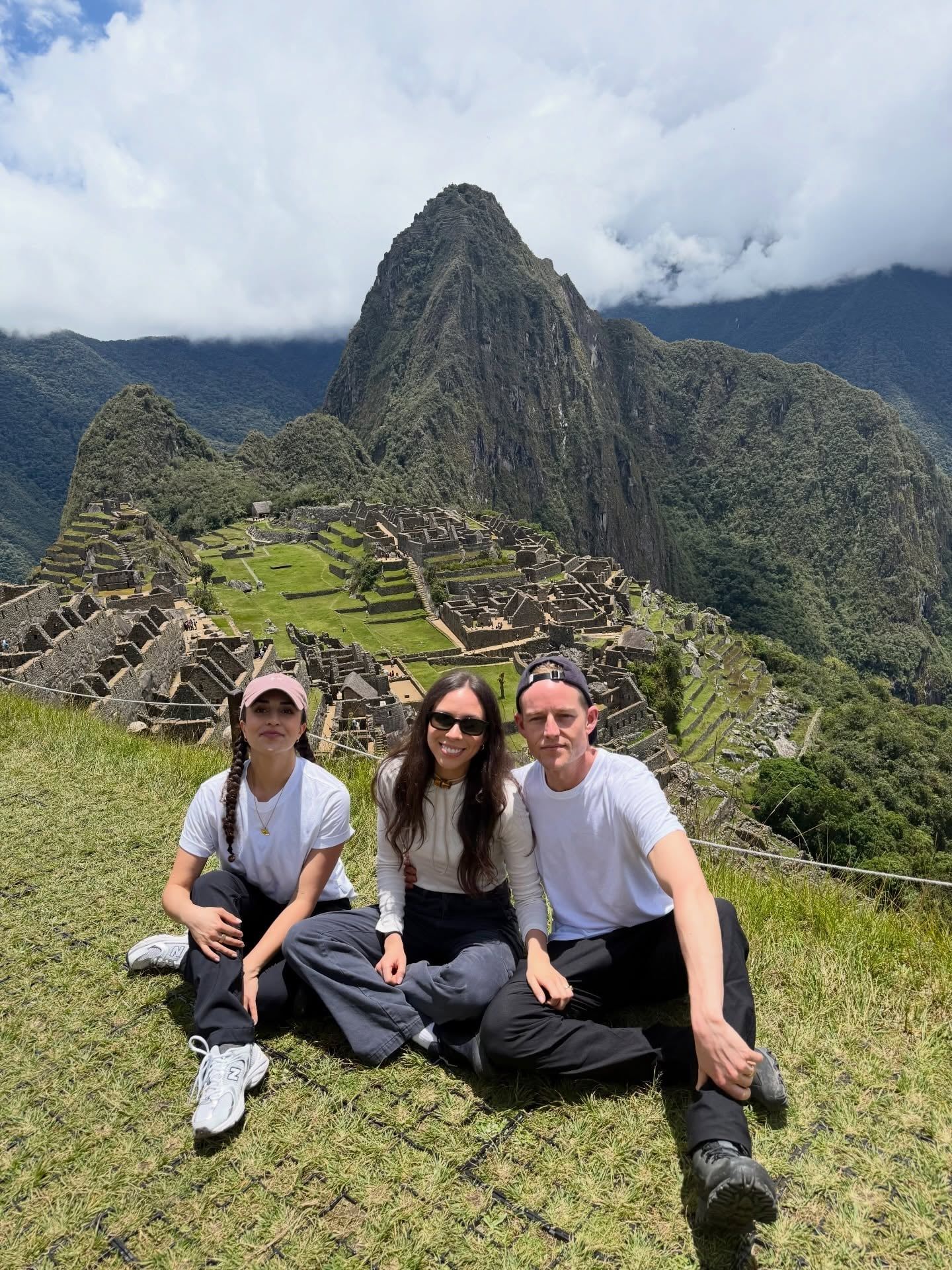
Once inside the citadel, this is where you get the classic, postcard-perfect panoramic view of the stone city framed by Huayna Picchu mountain. It is the best spot for morning photos.
Your guide will walk you through the urban and religious sectors. You will see incredible masonry at the Temple of the Sun and the Intihuatana Stone, built without mortar.
If you book a car tour, day one involves a long drive to Hidroeléctrica followed by a flat, three-hour hike along the jungle railway tracks to reach your hotel.
Planning a trip to Machu Picchu requires dealing with strict regulations, limited ticket capacities, and complex logistics. Here is what you need to know before locking in your two-day tour.
Machu Picchu entrance tickets are strictly capped at 4,500 visitors per day in the high season. You must book your tour three to six months in advance to secure tickets, especially if you want to climb Huayna Picchu.
You have two main options to get there. The standard method is taking a tourist train (like PeruRail or Inca Rail). The budget alternative involves a 7-hour van ride to Hidroeléctrica followed by a 10km hike.
Because entrance tickets and train passes are nominal (tied to your specific passport) and non-refundable by the government, almost all two-day tour operators have an 'all sales are final' policy with no refunds for cancellations.
You cannot bring large suitcases on the trains to Aguas Calientes or into the archaeological site. You are limited to a daypack no larger than 40x35x20 cm. Most hotels in Cusco will store your main luggage for free.
You must present your original, physical passport at the entrance gate. Digital copies or photos on your phone are not accepted, and the passport details must exactly match the ones used to book the ticket.
The site sits at 2,430 meters (7,970 feet) and involves navigating hundreds of uneven stone steps. While the main circuits are doable for most, travelers should have a moderate fitness level and acclimatize in Cusco first.
Read the inclusions carefully. Most two-day tours cover your train, bus up to the ruins, one night in a 3-star hotel, and the entry ticket. However, meals (especially lunch on day two) and gratuities are often excluded.
| Budget Car & Hike Tour | Standard Train Tour | Sacred Valley Combo | Private Premium Tour | |
|---|---|---|---|---|
| Transport Mode | Van + 10km Hike | Tourist Train | Bus + Train | Panoramic Train |
| Best For | Backpackers and budget travelers | Most travelers wanting convenience | Maximizing sightseeing in limited time | Couples and those wanting a flexible pace |
| Includes | Van transport, hostel, meals, entry ticket, guide | Train tickets, bus tickets, hotel, entry ticket, guide | Sacred Valley tour, train, hotel, meals, entry ticket | Private guide, panoramic trains, 3-star hotel, transfers |
| Price From | $150 | $425 | $598 | $712 |
Archaeological Site: Machu Picchu is open daily from 06:00 to 17:30. The final entry slot of the day begins at 15:00.
Entry Rules: Your ticket will have a specific entry time. You are strictly limited to entering during this window. During the low season, there is a 30-minute tolerance period for late arrivals, which extends to 45 minutes during the high season to account for bus delays.
Site Museum: The 'Manuel Chávez Ballón' Museum, located near the base of the mountain, is open from 09:00 to 16:00 daily.
Getting to Machu Picchu is a multi-step process, which is why two-day tours are so popular. There are no direct roads from Cusco to the ruins.
Dry Season (May to October): This is the best and most popular time to visit. The weather is generally dry with clear, sunny skies, making it ideal for photography and hiking. Because this is peak season, daily visitor caps (4,500 people) sell out months in advance.
Wet Season (November to March): Expect heavy rainfall, which can obscure the ruins in thick mist. The wet stone steps become slippery and hazardous. Landslides in the Andes are common during these months and can cause train delays or road closures. Daily capacity drops to 3,800 visitors.
Machu Picchu was built on a steep mountain ridge, making accessibility challenging but not impossible.
Restrooms: There are no bathrooms inside the archaeological site. You must use the pay toilets located just outside the main entrance before you scan your ticket. Once you exit the site, re-entry is strictly prohibited.
Food and Drink: Large food containers and single-use plastic bottles are banned. You can bring a reusable water bottle and small, sealed snacks. There is a cafe and a buffet restaurant (Sanctuary Lodge) located outside the main gates.
Storage: Bags larger than 40x35x20 cm are not allowed inside. There are storage lockers available at the entrance gate where you can leave larger backpacks for a small fee.
The Ministry of Culture enforces strict rules to protect the UNESCO site. Violators face immediate expulsion without a refund.
Yes, almost all 2-day tour packages include the standard Circuit 2 entrance ticket. However, because tickets sell out months in advance, you must book early. If you want to hike Huayna Picchu or Machu Picchu Mountain, you usually need to request this add-on at the time of booking.
Yes. You must present your original, physical passport at the main gate. Digital copies or photos are not accepted, and the passport details must match the ones provided to your tour operator when they bought the ticket.
Trains and the archaeological site have strict luggage limits. You can only bring a daypack measuring up to 40x35x20 cm. You will need to leave your larger suitcases at your hotel in Cusco, which usually store them for free.
The budget option involves a 7-hour drive through winding mountain roads to Hidroeléctrica, followed by a 10km (3-4 hour) hike along the railway tracks to Aguas Calientes. The hike is mostly flat, but you need a moderate level of fitness to complete it comfortably.
Generally, no. Because train tickets and Machu Picchu entrance passes are non-refundable and tied to your specific name and passport number, tour operators enforce an 'all sales are final' policy.
It depends on the specific tour. Budget car tours often include basic meals, while standard train tours usually only include breakfast at the hotel in Aguas Calientes. You will typically need to buy your own lunch on day two.
Absolutely not. Drones are strictly banned across the entire Historic Sanctuary. If you are caught flying one, park guards will confiscate your equipment and you could face fines of up to $10,000 USD.
Machu Picchu is at 2,430 meters, which is actually lower than Cusco (3,400 meters). Doing a 2-day tour helps you acclimatize. If you feel sick, stay hydrated, avoid heavy meals, and ask your hotel or guide for coca tea or oxygen.
Most mid-range and premium train tours include the $24 round-trip Consettur bus ticket. However, some budget tours do not, requiring you to either buy the bus ticket yourself or hike up the steep mountain path for an hour.
You can use a walking pole if you need mobility assistance, but it must have a protective rubber tip. Metal-tipped poles are strictly prohibited because they damage the ancient stone paths.
Browse verified tours with free cancellation and instant confirmation.
Find Tours


This two-day trip begins with a train ride through the high Andes, following the course of the Urubamba River. As the landscape shifts from mountain peaks to lush tropical forest, you'll arrive in Aguas Calientes, the town at the base of Machu Picchu. You will have the afternoon to explore the town at your own pace. Optional activities include visiting the local hot springs, the Machu Picchu site museum, or the botanical gardens. This overnight stay allows for a more relaxed experience before visiting the citadel itself the following day.
All sales are final. No refund is available for cancellations.
English, Spanish


This two-day journey begins in the Sacred Valley with a visit to Awacancha to see alpacas and llamas, followed by the ancient tombs and handicraft market of Pisaq. After exploring the Inca fortress at Ollantaytambo, you will take a train to Aguas Calientes for an overnight stay in a 3-star hotel, where you have the evening free to visit the local hot springs and markets. On the second day, you will reach Machu Picchu early to see the sunrise over the ruins. A professional native guide will lead you through the citadel’s temples, palaces, and terraces, including walks to the Sun Gate or the Inca Bridge. The trip concludes with a return to Cusco on the Vistadome panoramic train, offering wide views of the Andean landscape through its overhead windows.
All sales are final. No refund is available for cancellations.
English, Spanish


Machu Picchu is South America’s most famous archaeological site, located in a remote mountain setting in the Peruvian Andes. For many, visiting this Inca city is the primary goal of their trip to the continent. The site is known for its well-preserved ruins and unique placement high above the Urubamba River valley. Because the Spanish conquistadors never found the city, it remained largely untouched for centuries. It stayed hidden from the modern world until its rediscovery in the early 1900s. Today, it offers a clear view of Inca urban planning and engineering that was lost to history for hundreds of years.
All sales are final. No refund is available for cancellations.
English, Spanish


This two-day trip provides an affordable alternative for visiting Machu Picchu by traveling through the Andes by car. The tour includes transportation, lodging, and prepared meals, offering a reliable way to see the site without the higher cost of the train. Our team handles the logistics to ensure the trip runs smoothly from your departure until your return. Entry tickets are strictly regulated by the Peruvian government and often sell out months in advance. We strongly suggest booking at least three months ahead of your planned travel date. For last-minute bookings, please be aware that we may need to extend the trip duration to try and secure tickets in person at the local office in Aguas Calientes. We prioritize helping every traveler reach the citadel, even when availability is low. If you have a flexible schedule, we can more easily navigate ticket shortages and find an entry time that works for your visit.
All sales are final. No refund is available for cancellations.
English, Spanish


This two-day private tour covers the highlights of the Sacred Valley and Machu Picchu. By traveling with a private guide, you can adjust the itinerary to your own pace and avoid the crowds typically found on larger group tours. The experience includes travel on panoramic trains scheduled to maximize your time at the sites. Accommodations are arranged at established, high-quality hotels, and the itinerary remains flexible to suit your specific interests. Throughout the trip, you will have access to consistent local support to assist with any logistics or adjustments needed during your program.
All sales are final. No refund is available for cancellations.
Portuguese, English, French, Spanish